
Tree Trimming Timing and Benefits
Tree trimmings involve pruning and removing branches to maintain tree health, improve appearance, and ensure safety. Proper timing of trimming can influence tree vitality and growth patterns, making it a key aspect of tree care management.
The optimal time for tree trimmings varies by species and region, but generally, late winter or early spring is ideal for most deciduous trees.
Timing trimming correctly reduces stress on trees, promotes healthy growth, and minimizes disease risks.
Trimming during inappropriate seasons can lead to weak growth, increased susceptibility to pests, and potential damage to the tree.
Proper timing supports structural integrity and longevity, preventing hazards caused by overgrown or damaged branches.
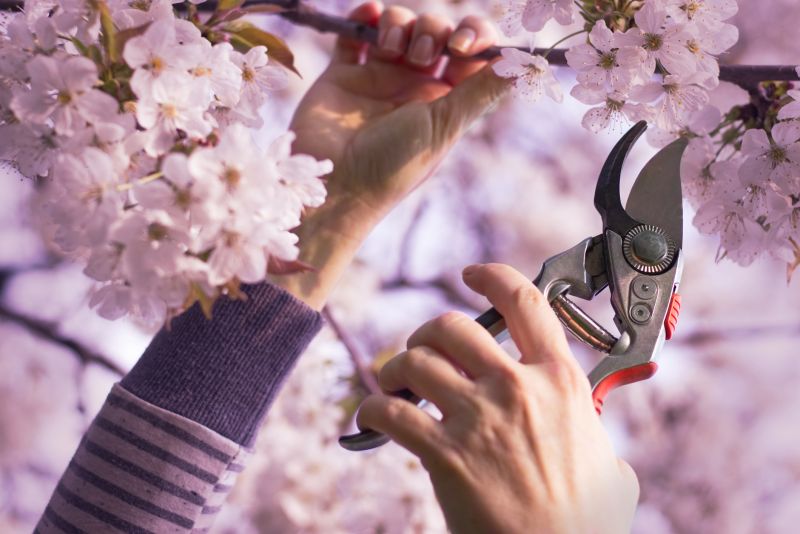
Early spring is ideal for pruning deciduous trees before new growth begins.
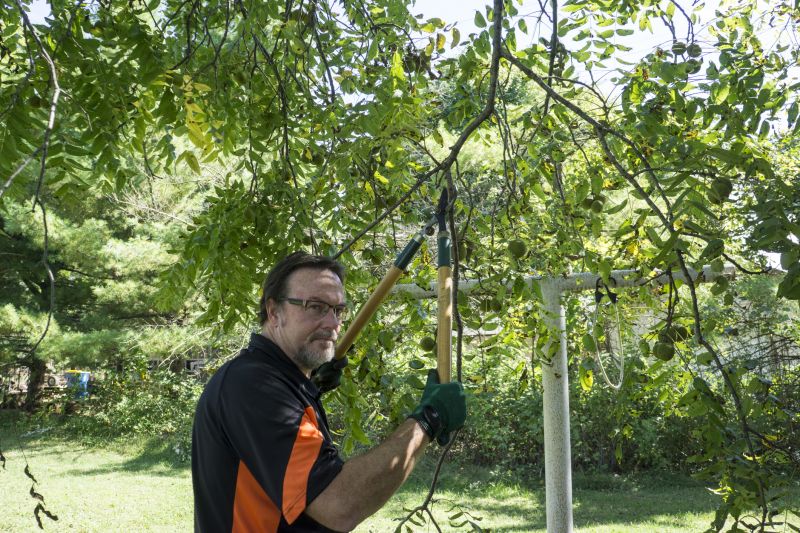
Late winter allows for unobstructed access and minimal stress to the tree.
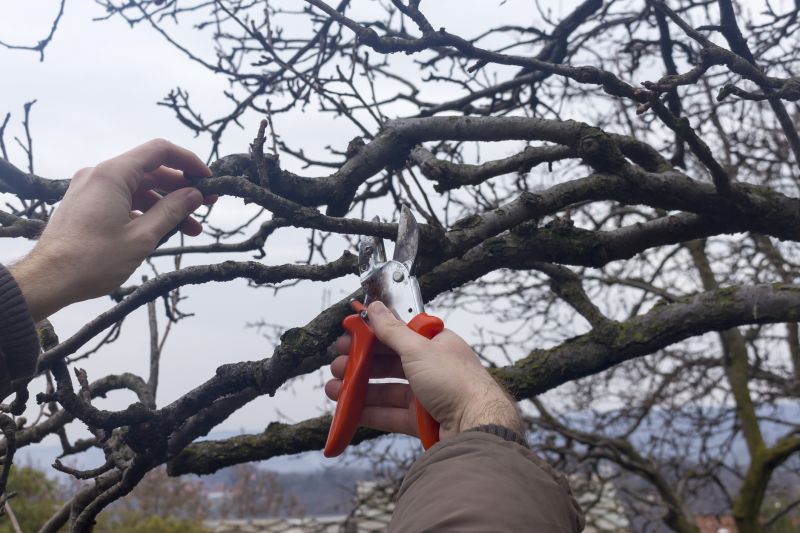
Summer trimming is suitable for removing dead or overgrown branches.
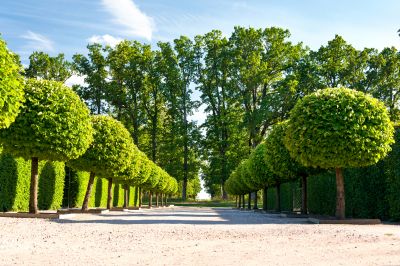
Ways to make Tree Trimmings work in tight or awkward layouts.
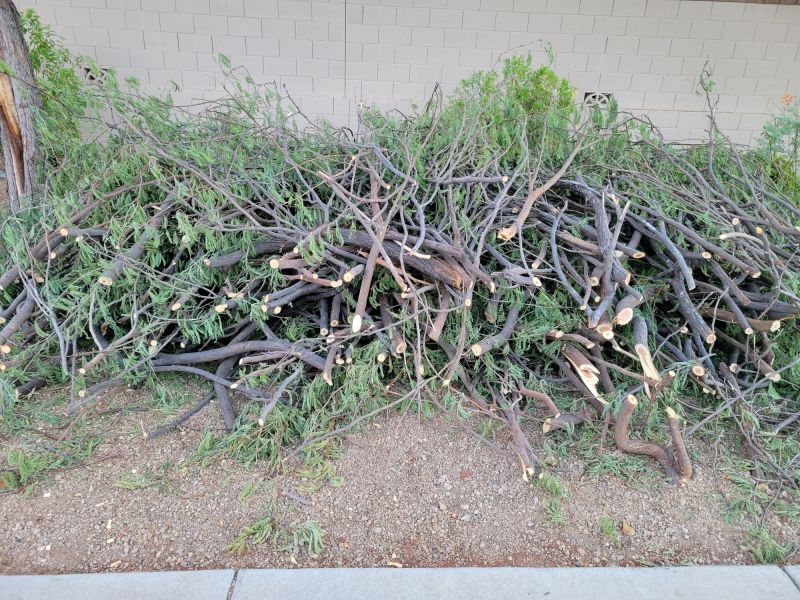
Popular materials for Tree Trimmings and why they hold up over time.
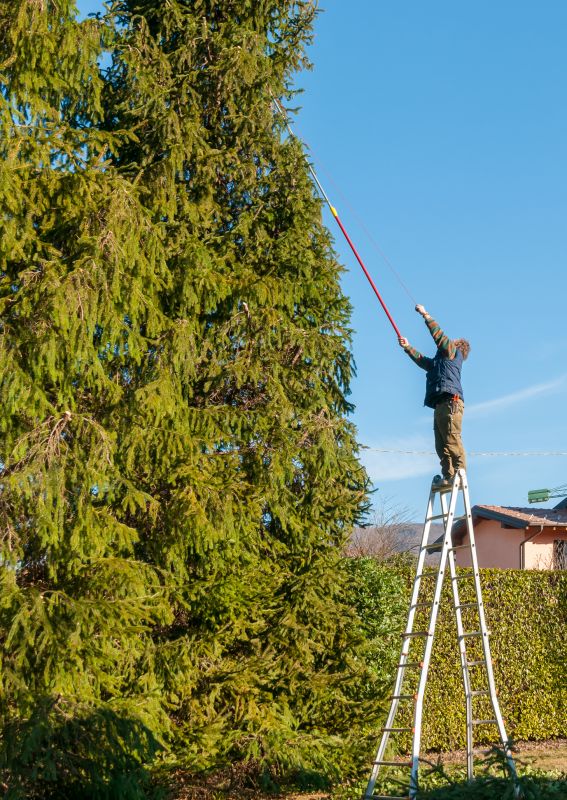
Simple add-ons that improve Tree Trimmings without blowing the budget.
| Tree Type | Recommended Trimming Season |
|---|---|
| Deciduous Trees | Late winter to early spring |
| Evergreen Trees | Late spring to early summer |
| Fruit Trees | Late winter before bud break |
| Maple Trees | Late winter |
| Oak Trees | Late winter or early spring |
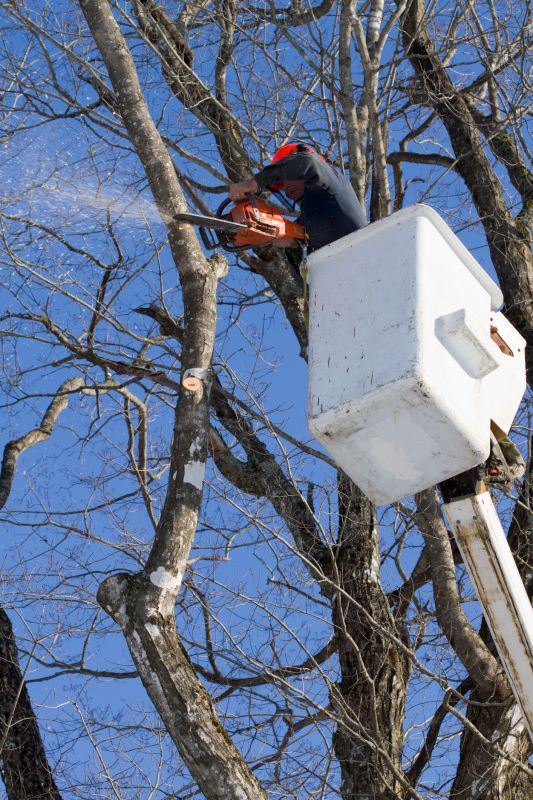
Proper tools are essential for effective and safe trimming practices.
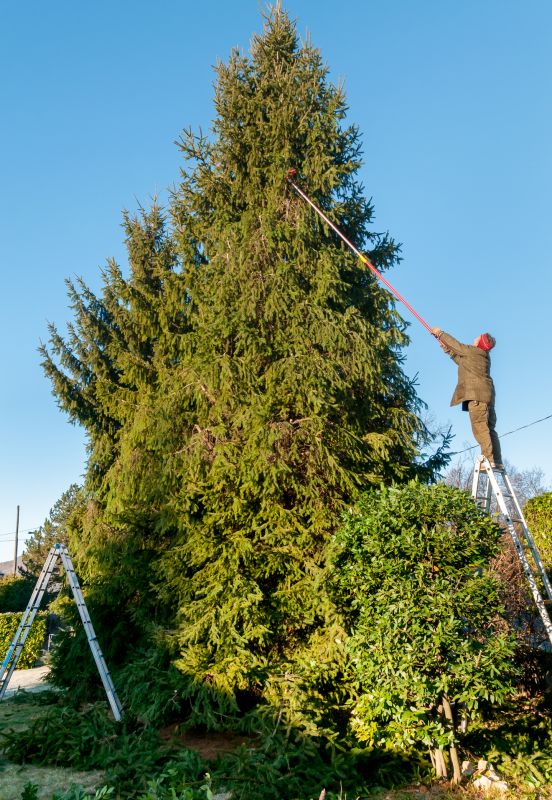
Properly trimmed trees exhibit uniform and vigorous growth.
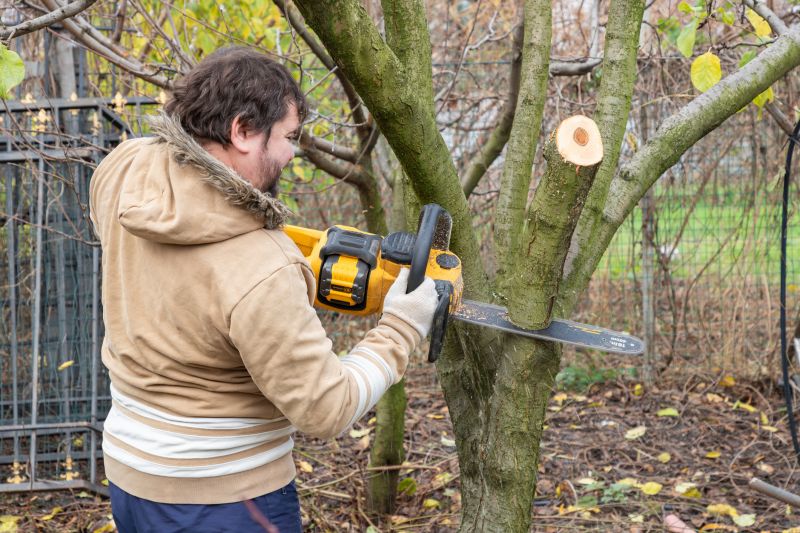
Regular trimming helps manage trees in urban settings for safety and aesthetics.
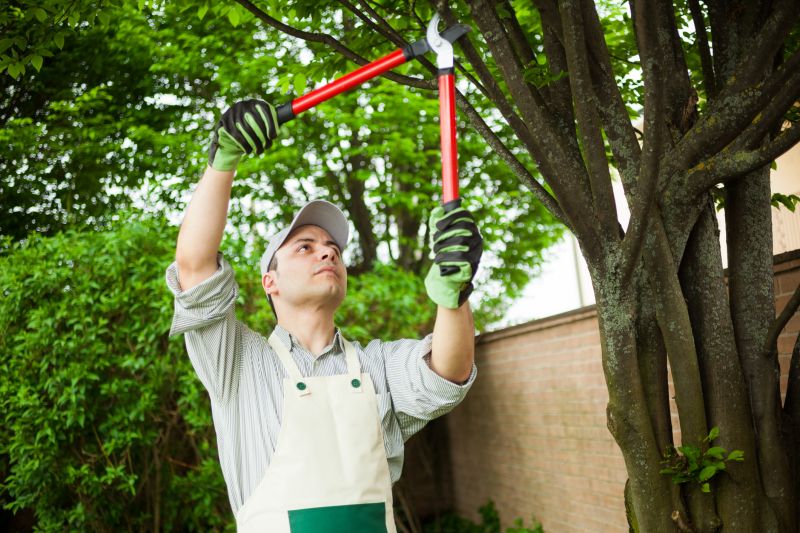
Correct techniques prevent damage and promote healthy development.
Interested in professional tree trimmings? Filling out the contact form can connect property owners with experienced arborists who can assess and perform trimming at the optimal times for each tree species.